
How Geolid Cut Google Maps Data Costs by ~75% with lobstr.io
Company intro
The company works with national brands, franchises, and multi-location networks across France, helping them understand and improve their visibility in local searches.
A core part of Geolid’s services depends on one thing… how brands actually show up in local search results — at the city and zip-code level.
If this data is wrong, the recommendations Geolid gives to brands are wrong, which directly affects trust in the platform and its outputs.
Accurate local search presence monitoring at scale
For Geolid, local search visibility is not uniform across a country. The same brand can appear very differently depending on the city, zip code, service area or typed query.
To deliver accurate insights to clients, Geolid evaluates how brands show up in local search results at the zip-code and city level, not as a national average.
This requires running the same brand searches across hundreds of distinct areas and comparing results area by area.
As of today, Geolid monitors 1,280 city and zip-code–level areas across France every month, each corresponding to a defined geographic zone where visibility directly impacts client decisions.
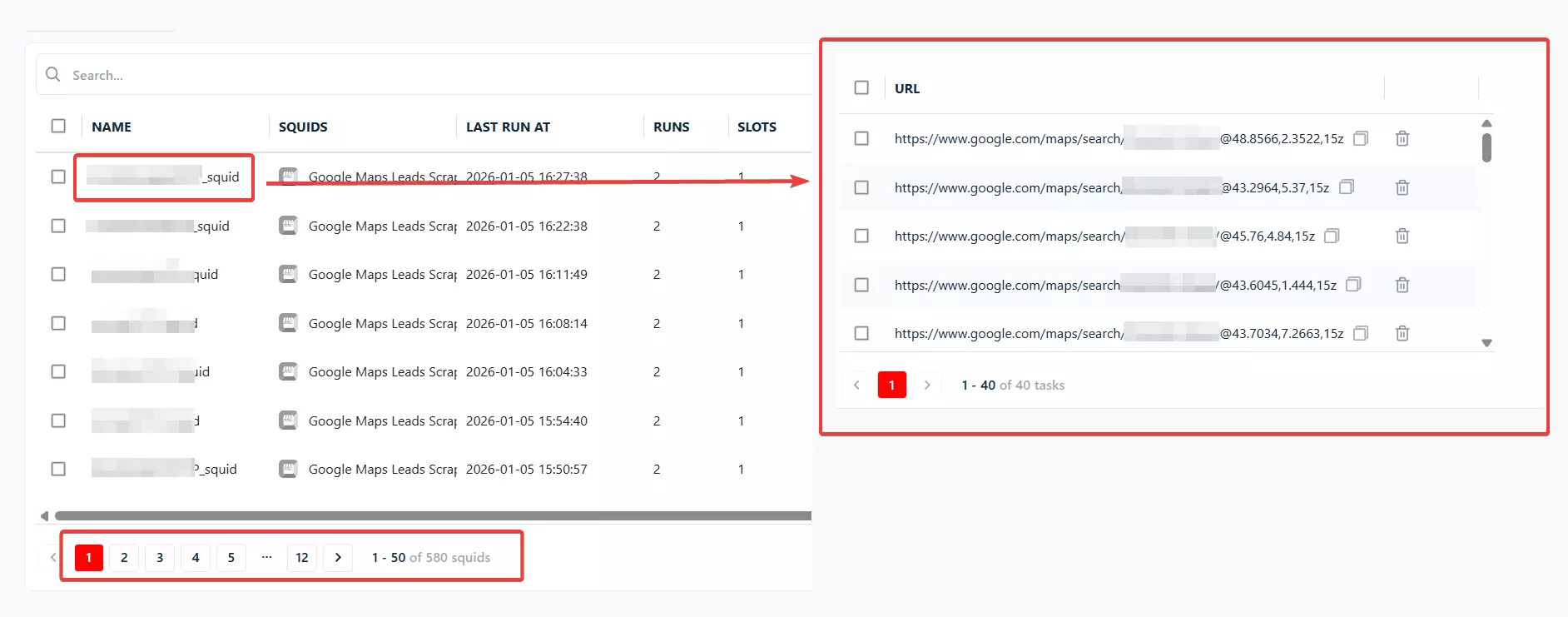
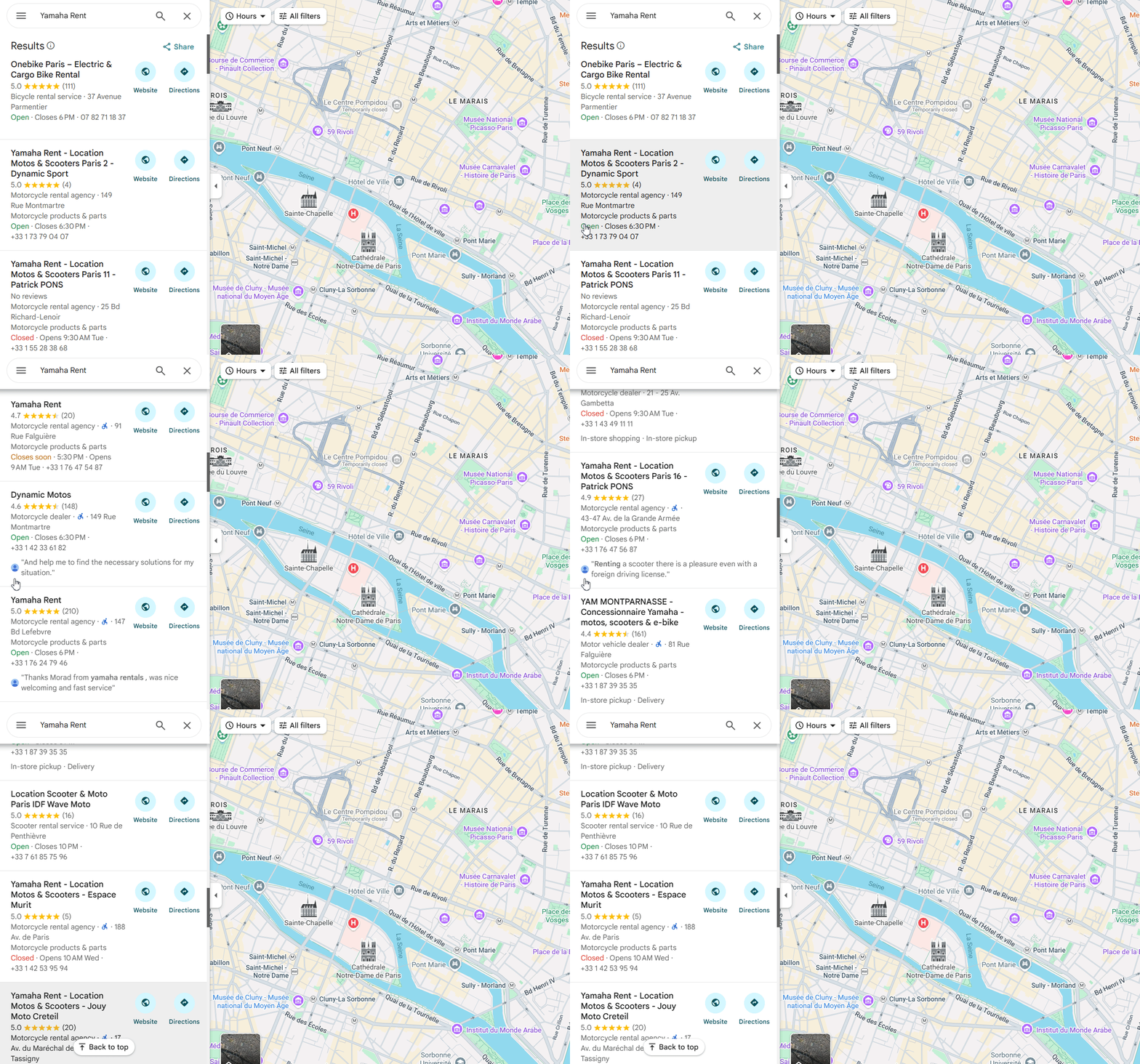
For each of these areas, Geolid runs a local brand search.


In the Yamaha Rent campaign, this zip-code–level approach directly supported measurable business outcomes:
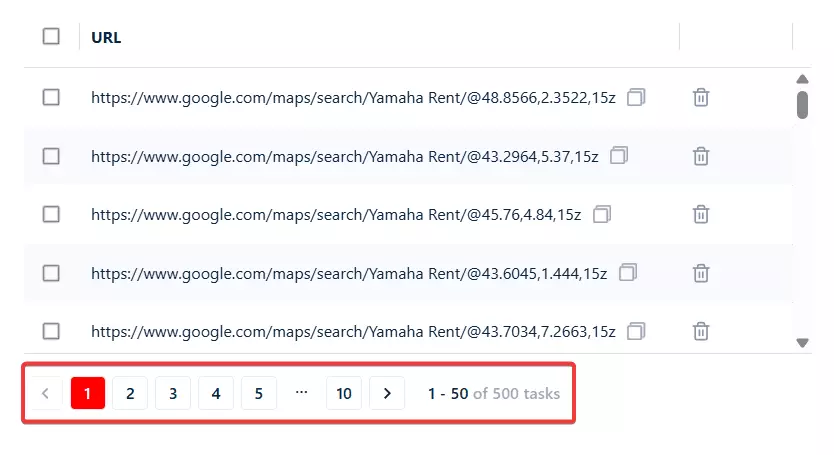
- 75% of Yamaha dealers appeared in top Google search results
- 86% of digital leads came from Google listings
- 2.5× growth in Google reviews within one year
These results depend entirely on having clean, location-accurate data. Without that, local gaps are masked and optimization efforts are misdirected.
Each local search returns 50–100 listings.
That puts Geolid’s monthly data volume at:
- 1,280 areas × 50–100 listings
- ~64,000 to 128,000 Google Maps listings per month
At this volume, accuracy becomes the main constraint.
Google Maps often returns listings outside the intended zip code or city boundary. Nearby towns, adjacent postal zones, or overlapping service areas are frequently included in results.
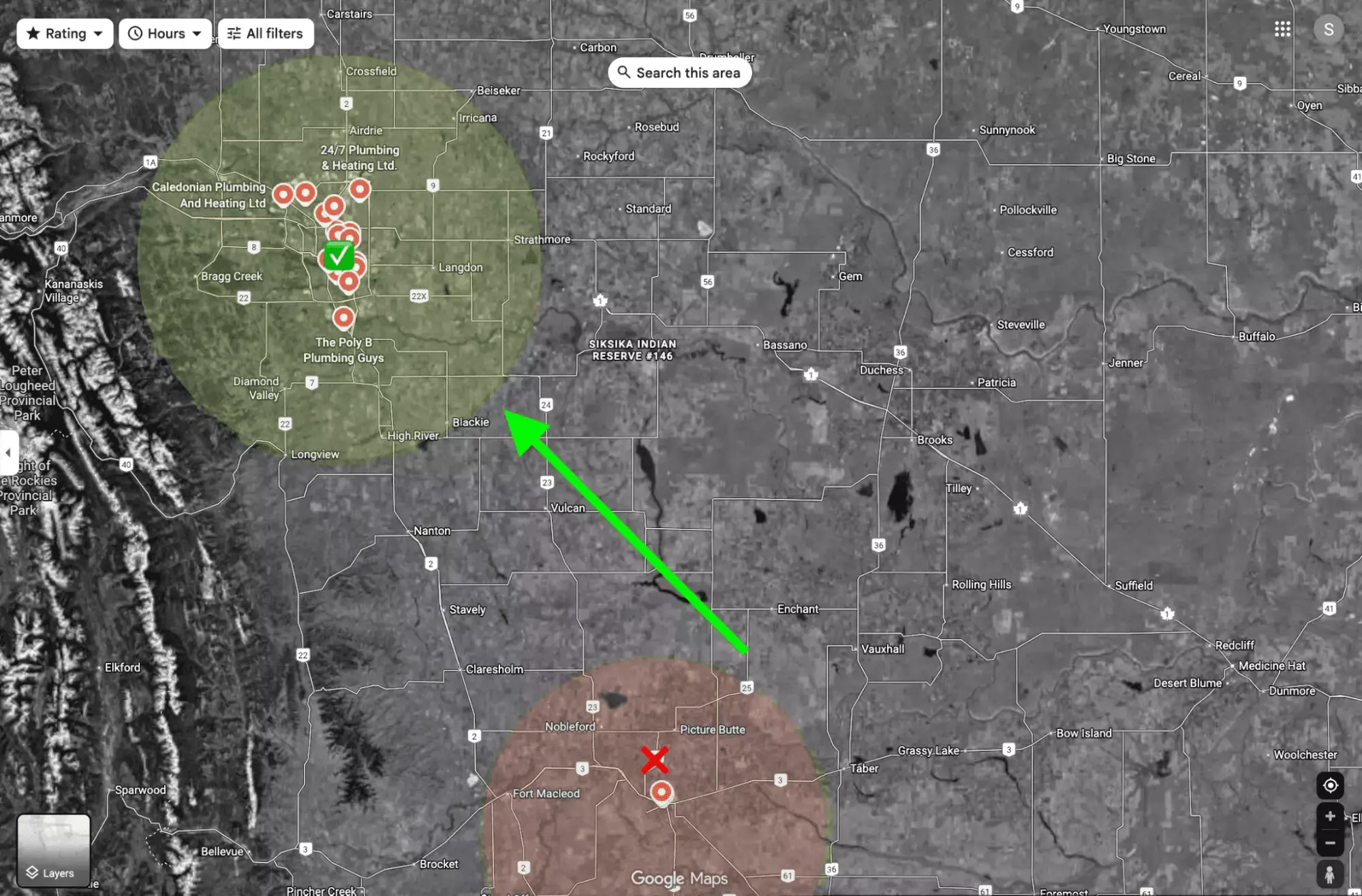
In practice, this leads to:
- Out-of-scope listings mixed into zip-code–level datasets
- Inconsistent geographic boundaries across runs
- Extra verification work and reduced confidence in local-level insights
For a business that relies on this data to guide client strategy and reporting, even small inaccuracies compound quickly.
Addressing accuracy and cost at scale
As monitoring became more granular and recurring, Geolid ran into two structural constraints… accuracy and cost.
Existing approaches could handle volume, but struggled to consistently return zip-code-accurate results.
Out-of-scope listings remained a recurring issue, increasing validation effort and the risk of incorrect conclusions.
At the same time, costs scaled linearly with usage.
When Google Maps data is collected every month across hundreds of zip-code–level areas, per-listing pricing compounds quickly and becomes a limiting factor.
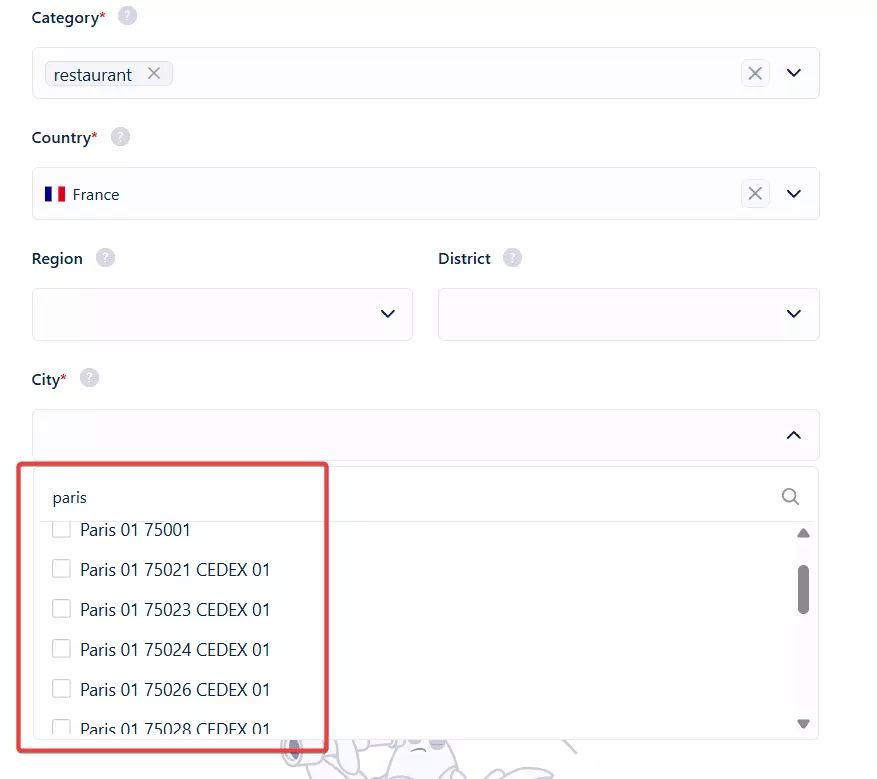
To move forward, Geolid needed a setup designed specifically for recurring, geo-scoped local search monitoring, not one-off data collection.
This is where lobstr.io came in.
lobstr.io is built around location-aware crawling, with geo-matching applied at collection time rather than after the fact.
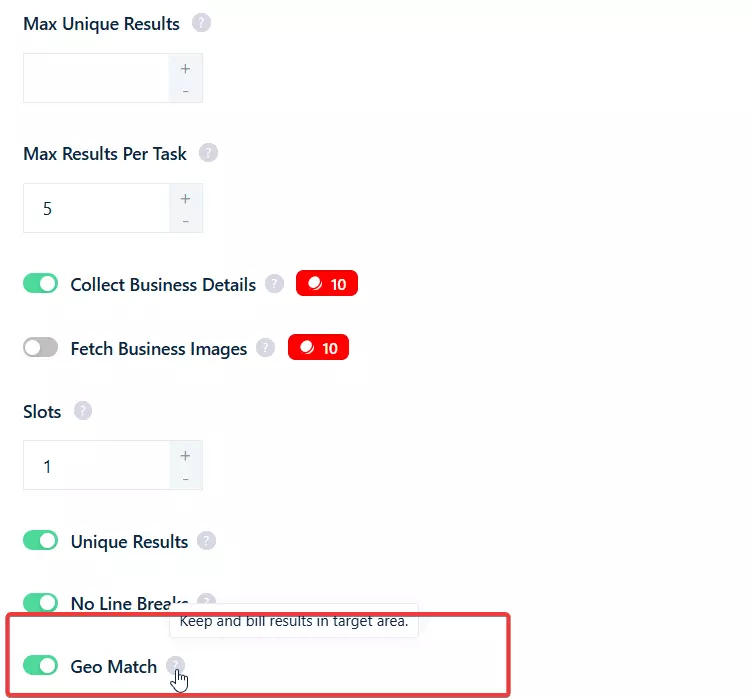
This allows out-of-scope results to be skipped automatically, while keeping costs predictable for recurring runs.
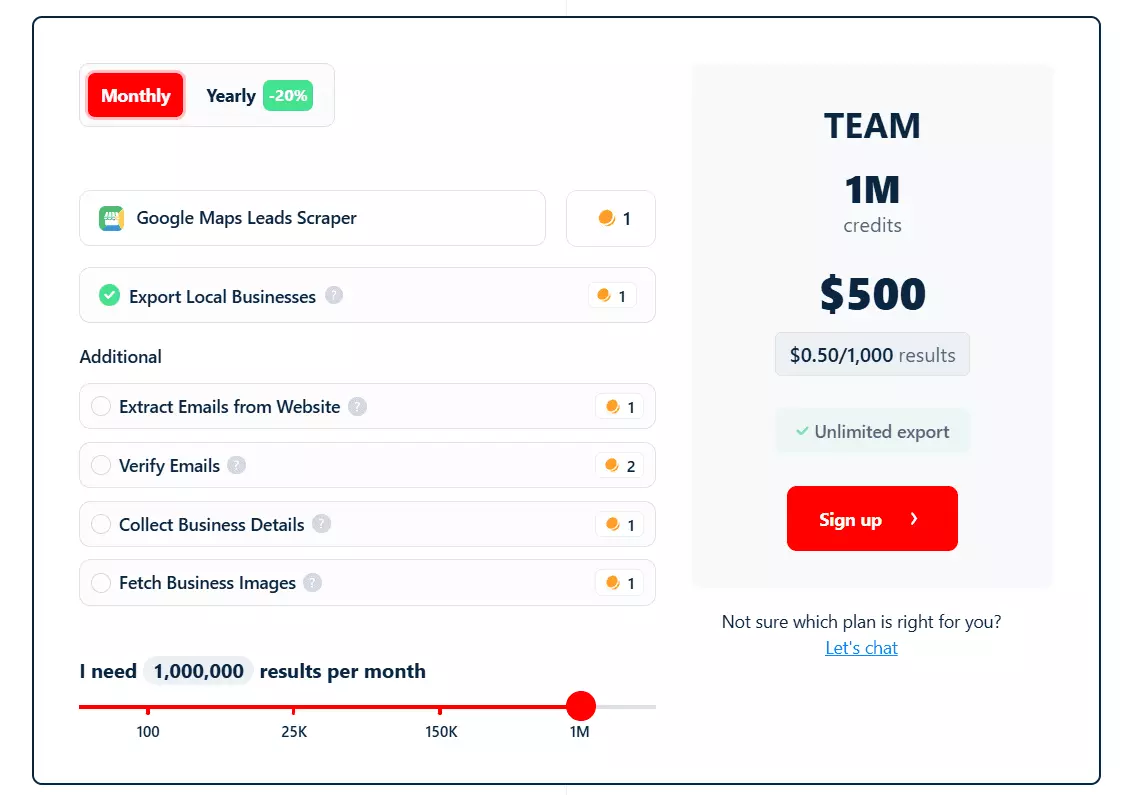
At Geolid’s scale, this reduced Google Maps data costs by ~75%, while significantly improving the accuracy of zip-code–level datasets.
The result was a monitoring pipeline that could run reliably every month without additional filtering or rework.
What changed after switching to lobstr.io
With accuracy stabilized and costs under control, local search monitoring shifted from a constrained workflow to a predictable system component.
After switching to lobstr.io, Geolid saw clear, measurable changes.
Outcomes at Geolid’s scale:
- ~70% improvement in zip-code–level accuracy
- ~4× reduction in Google Maps data costs
- ~3× expansion in monitored areas
- Predictable monthly monitoring costs
- Consistent accuracy across areas and runs
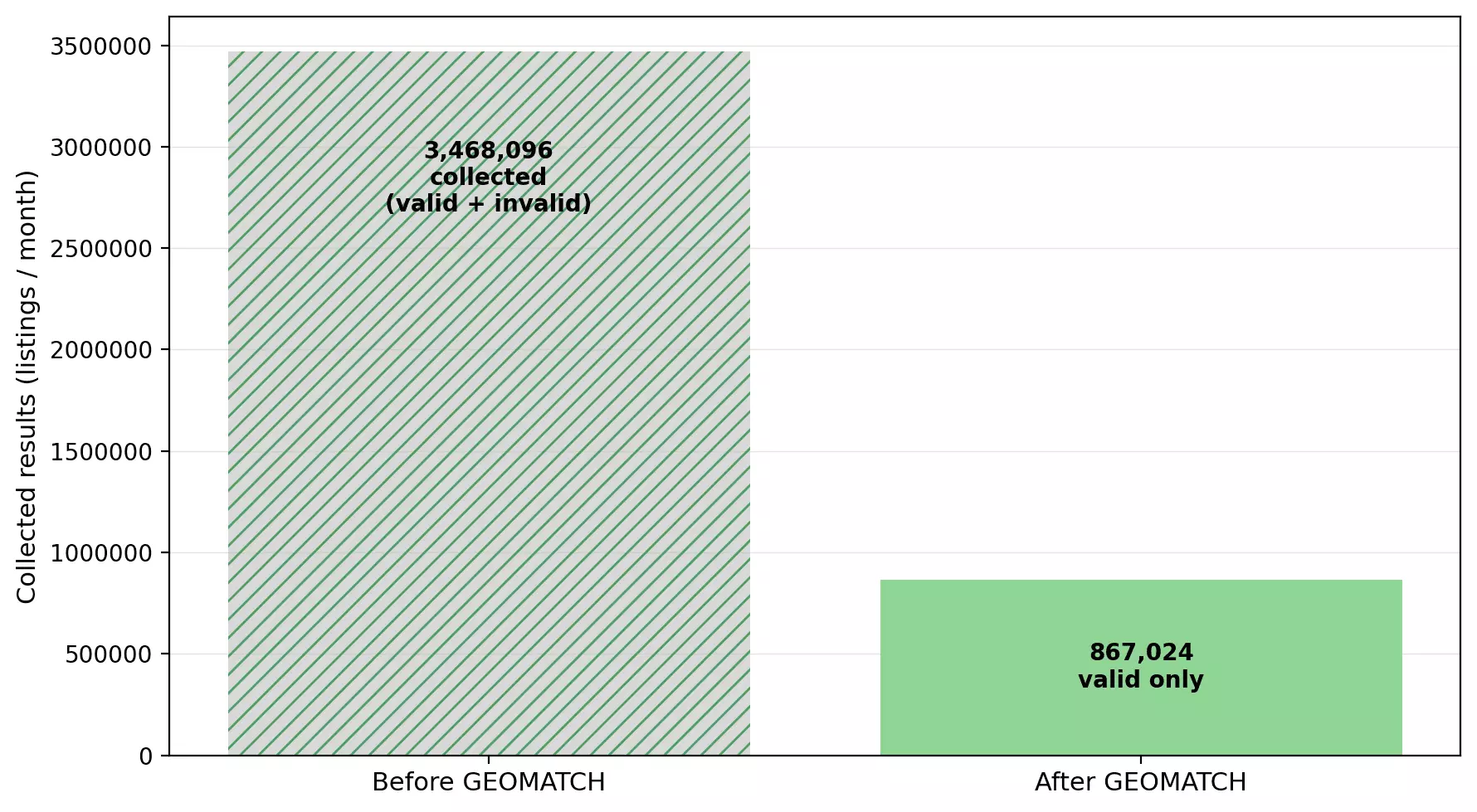
This allowed Geolid to expand coverage and frequency without revisiting tooling or workflows, supporting both internal analysis and client-facing insights.